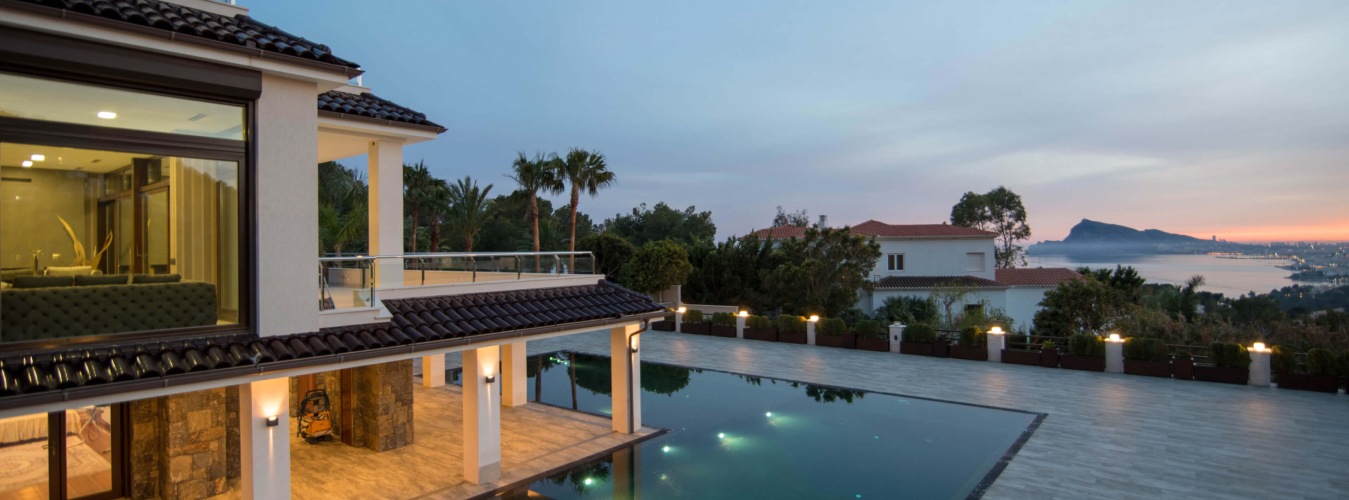
In 2025, more and more people are choosing to build homes that are not only beautiful and functional, but also eco-friendly and energy-efficient. Sustainable home construction is no longer just a trend—it’s a smart choice for a better future. Whether you're planning to build your dream home or renovate your existing one, using green building materials and focusing on energy savings can benefit both your wallet and the planet.
What is Sustainable Home Construction?
Sustainable construction means building homes in a way that reduces harm to the environment. It includes:
- Using eco-friendly building materials
- Reducing energy and water use
- Improving air quality
- Creating less waste during construction
The goal is to build smart, save resources, and lower long-term costs.
Top Green Building Materials for Your Home
Here are some popular eco-friendly materials used in sustainable construction:
- Fly Ash Bricks – Made from waste produced by coal power plants, these bricks are strong, lightweight, and good for insulation.
- Recycled Steel – Using recycled steel for structure instead of wood saves trees and reduces carbon emissions.
- Bamboo – Bamboo grows quickly and is incredibly strong. It can be used for flooring, walls, and roofing.
- Autoclaved Aerated Concrete (AAC) Blocks – These lightweight blocks offer excellent insulation, are fire-resistant, and reduce the overall dead load on the building.
- Low-VOC Paints – VOC (Volatile Organic Compounds) are harmful chemicals found in traditional paints. Low-VOC paints improve indoor air quality and reduce health risks.
- Solar Panels – Though technically a system, installing solar panels is one of the most effective green upgrades. It reduces electricity bills and dependence on fossil fuels.
Energy-Saving Tips for New Homes
Building an energy-efficient home saves you money every month and helps reduce your carbon footprint. Here’s how you can do it:
- Insulation Matters – Good insulation keeps your home cooler in summer and warmer in winter, reducing the need for ACs or heaters.
- Smart Orientation – Position windows to allow maximum natural light and airflow. North or east-facing homes get more daylight and stay cooler.
- Use LED Lighting – LEDs consume 80% less power than traditional bulbs and last longer.
- Rainwater Harvesting – Installing a rainwater harvesting system saves water and reduces dependency on tankers or groundwater.
- Energy-Efficient Appliances – Always look for the 4-star or 5-star rating on electrical appliances. These use less electricity and last longer.
Why Build Sustainably?
- Save on monthly energy bills
- Increase your property’s value
- Reduce your carbon footprint
- Healthier indoor air quality
- Better comfort and durability
Is It More Expensive?
Not really. While some green materials or technologies may cost slightly more upfront, they pay back in energy savings, lower maintenance, and longer lifespan. Plus, many states and governments offer subsidies or tax benefits for using eco-friendly systems like solar panels and rainwater harvesting.
Final Thoughts
Sustainable home construction isn’t just about protecting the environment—it’s about building smart, healthy, and cost-efficient homes. Whether you’re just starting to plan or already in the middle of your project, choosing green materials and making energy-saving decisions will benefit you for years to come.